Enterprises are adopting AI faster than they can control it
Security and IT lack the visibility and control to manage how AI applications and agents access enterprise systems
Accountability gap
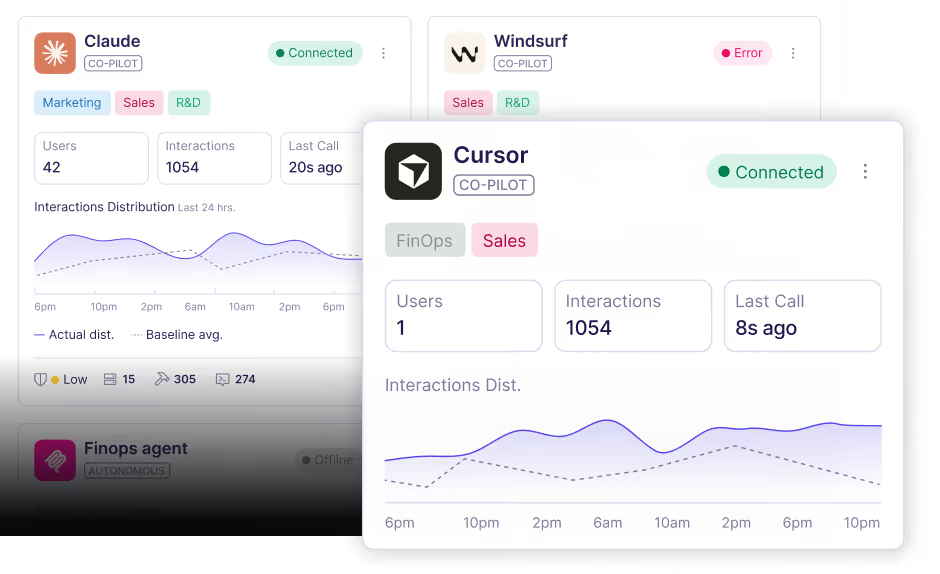
No reliable way to answer who used which agent, which tool, and what data was accessed
AI Sprawl Without Control
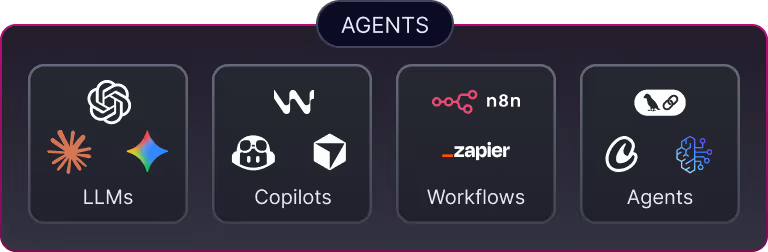
A growing mix of internal agents, third-party AI apps, and unvetted MCP servers creates fragmented, hard-to-govern environments
Broken access paradigm
Agents often run over-privileged compared to the human initiating the task
Accountability gap
No reliable way to answer who used which agent, which tool, and what data was accessed
AI Sprawl Without Control
A growing mix of internal agents, third-party AI apps, and unvetted MCP servers creates fragmented, hard-to-govern environments
Broken access paradigm
Agents often run over-privileged compared to the human initiating the task
The Solution
The agent-native gateway for governed AI adoption
Lunar centralizes how agents and AI apps authenticate, discover tools, and access enterprise resources, with full observability and enforceable policies
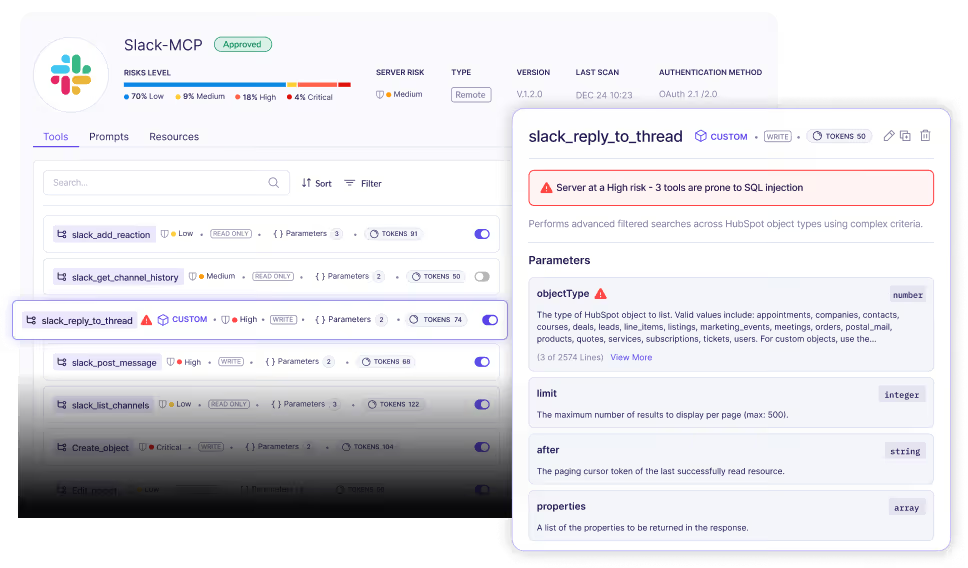
1. It all starts with observability
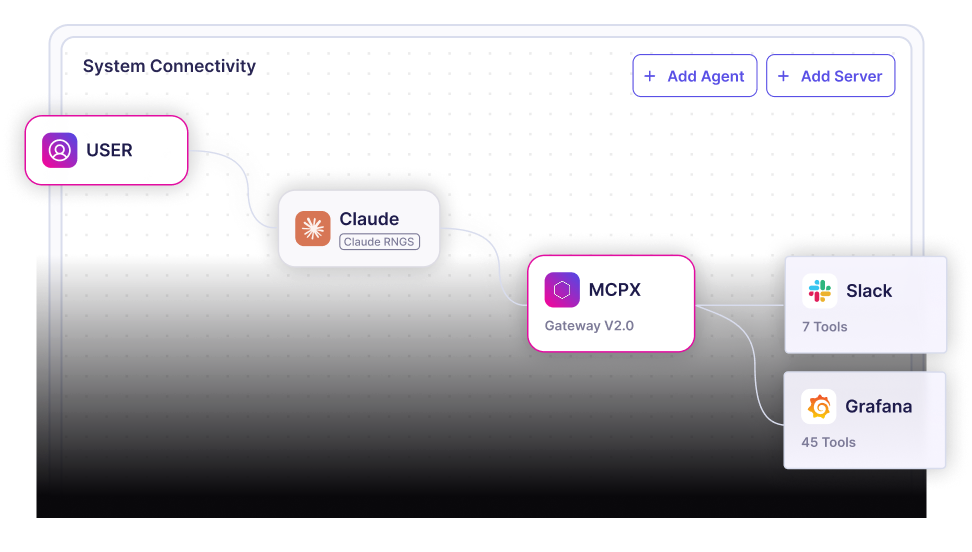
Capture full lineage across user, agent, model, MCP server, and final tool or API invocation.
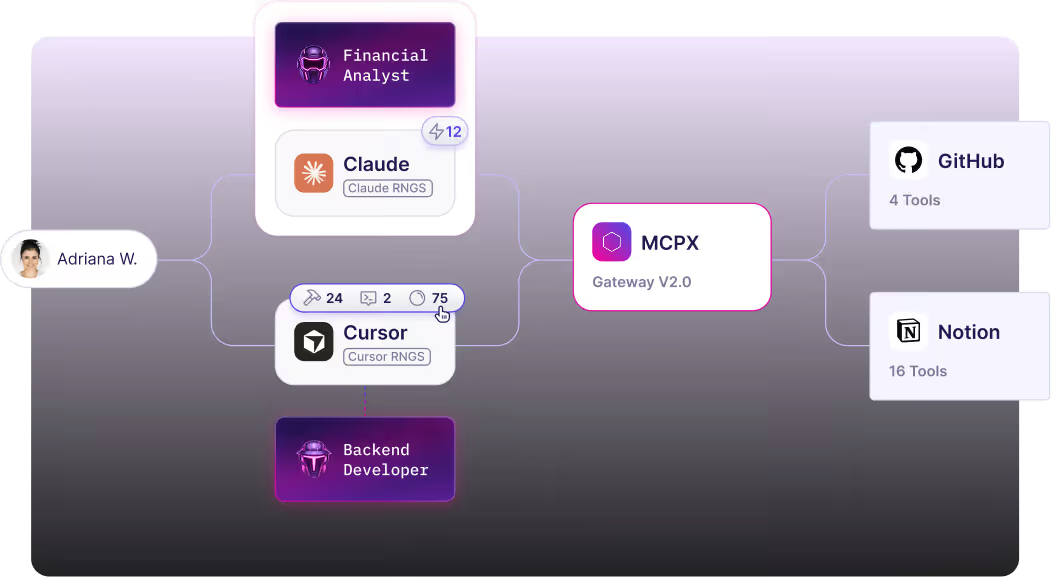
A dedicated focal point for every agent-to-resource interaction
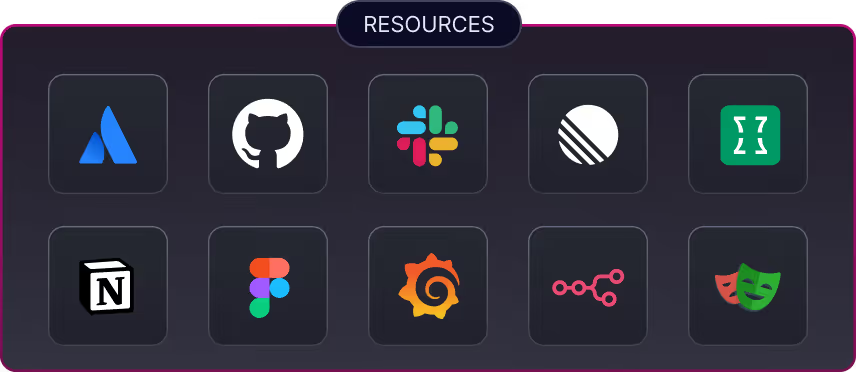
Lunar.dev sits between employees and agents, and the tools and systems they use, MCP servers, APIs, and LLM providers, so governance is centralized by design.
Enterprise-grade assurance
Private deployment and data sovereignty
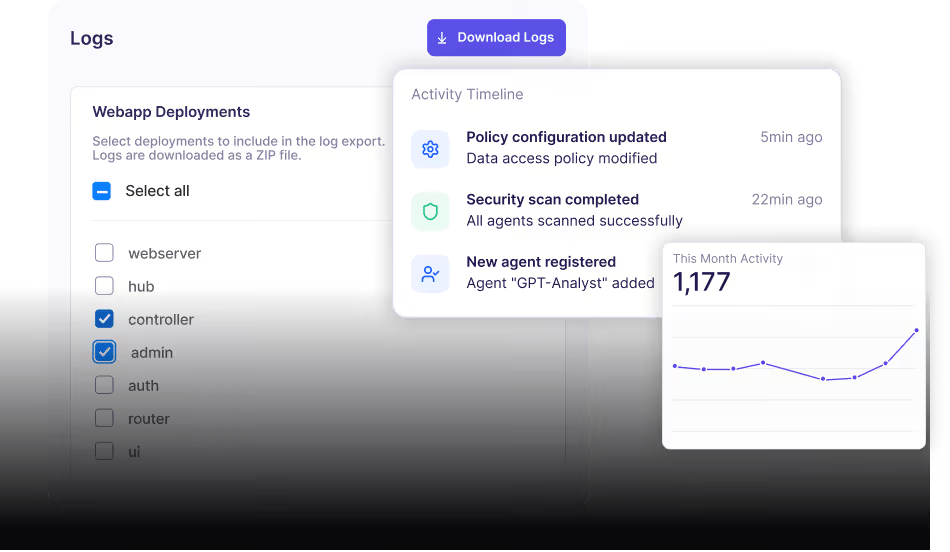
SSO, roles, and audit logs
DLP and sensitive data controls
Fault-tolerant design and enterprise support
“Our mandate was to enable AI adoption across the business while maintaining security posture. MCPX allowed us to govern MCP usage holistically, without slowing engineering or business teams.”
— Tamir Ronen, CISO, HiBob
“Lunar is a great partner. It’s working within our VPC, the data is not going out anywhere and I can sleep better at night”
— Avner Cohen, CISO and Head of DevOps, HiredScore
“The engineering team was making hundreds of millions of weekly API calls to Microsoft 365. This was essential for real-time scanning of emails.”
— Maor Hizkiev, CTO & CO-Founder BitDam
Lunar.dev is proud to be recognized by Gartner as a Representative Vendor in both AI Gateways (2024, 2025) and MCP Gateways (2025) categories.
Recognized by Gartner
Lunar.dev is proud to be a Technology Partner with the Google Cloud Platform
Faster AI Adoption. Zero Loss of Control.
Adopt an enterprise MCP gateway now, then unify governance across LLM and API traffic as usage scales.
Can we evaluate MCP servers for safety before using them broadly?
Yes. Lunar.dev performs automated risk analysis that identifies safety and compliance concerns. After review, the server can be tested in a sandbox environment so you can verify behavior before allowing it into production.
How does MCPX handle authentication for remote MCP servers?
MCPX supports several methods: basic API-key authorization, standard OAuth flows, and “Static OAuth” (e.g. OAuth 2.0 Client Credentials or Device Flow). You can integrate it with your identity provider or OAuth app, avoiding manual token management.
How does MCPX help secure and standardize tool behavior used by AI agents?
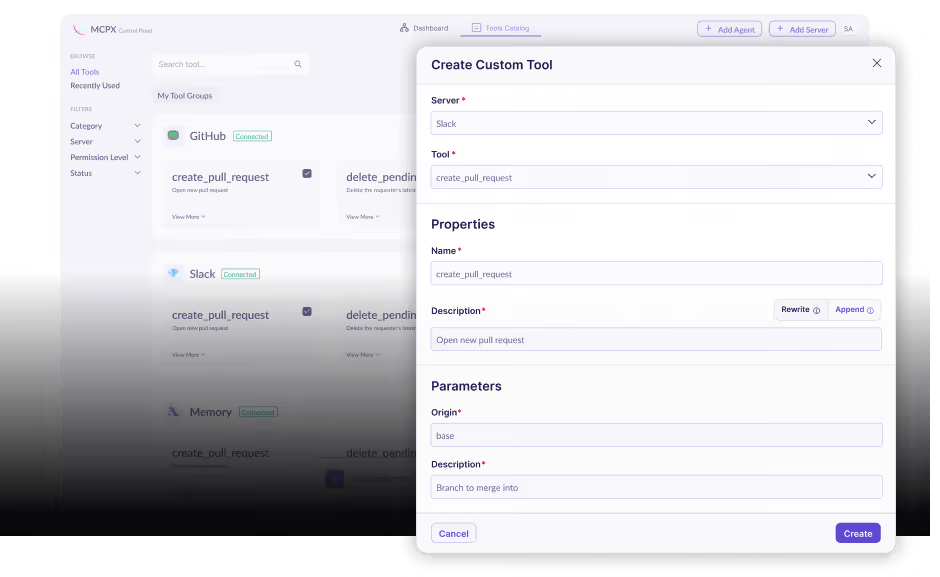
MCPX allows you to customize tool behavior by hardening parameters, rewriting descriptions and limiting which actions are exposed. This helps ensure that each tool operates within your organization’s safety, compliance and performance guidelines.
How can we ensure our data remains fully protected when using MCPX?
MCPX is fully self hosted, so it runs entirely inside your infrastructure. You can deploy it locally with Docker or in your own Kubernetes cluster using the Helm chart, which keeps all MCP traffic, configurations and logs within your security boundary.
How can I manage an internal MCP registry?
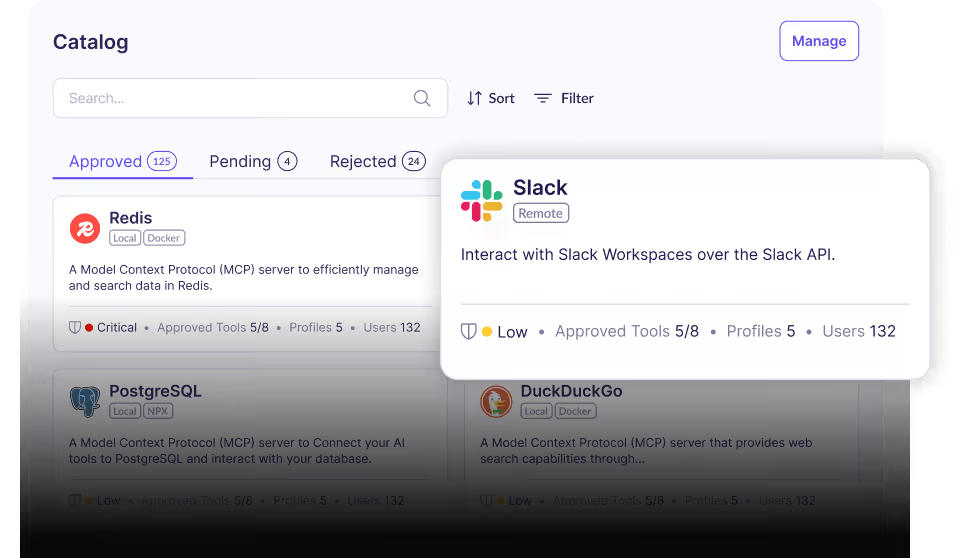
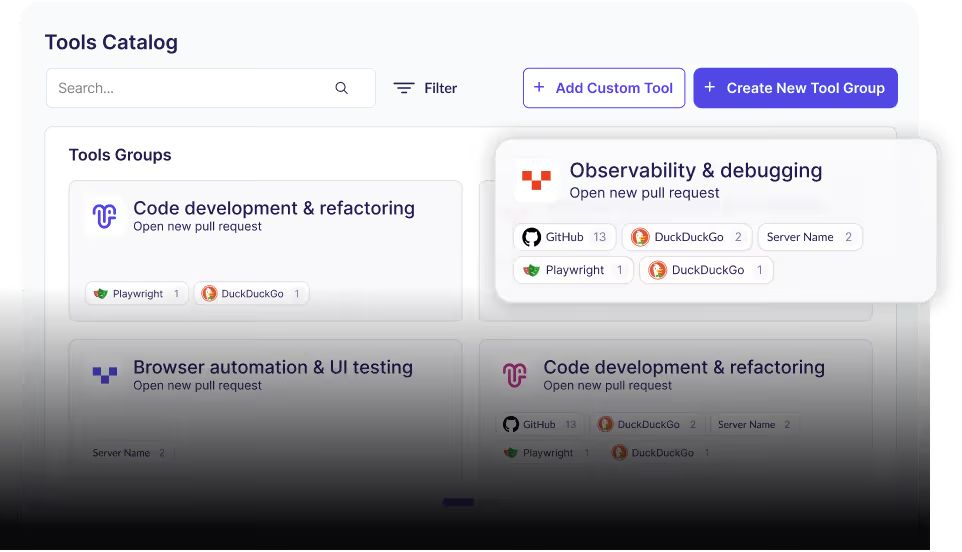
MCPX Enterprise provides a Custom MCP Server Catalog that lets administrators publish and control which MCP servers are available across the organization. It supports curated, team specific catalogs and follows Anthropic’s MCP Registry specifications as they evolve.
Get Early Access
Join the beta. Be the first to explore the free new features with lunar.dev's API Egress Proxy,


%20(1).avif)








%20(1).avif)